Guildrun uses an Ascension-style ladder: win to unlock harder rules, then push Endless for leaderboard score once the systems click. Official materials list eight difficulties plus Endless mode with global leaderboards.
Weekly patches can retune modifiers; treat the in-game difficulty description as the live ruleset. This page explains how to climb without wasting unlocks or burning out on unfair attempts.
Use lower tiers to finish roster unlocks and learn boss patterns. Climb when you can consistently clear with at least one intentional mid-run pivot and you understand auction banking.
Progression
Eight difficulties, unlocked by clears
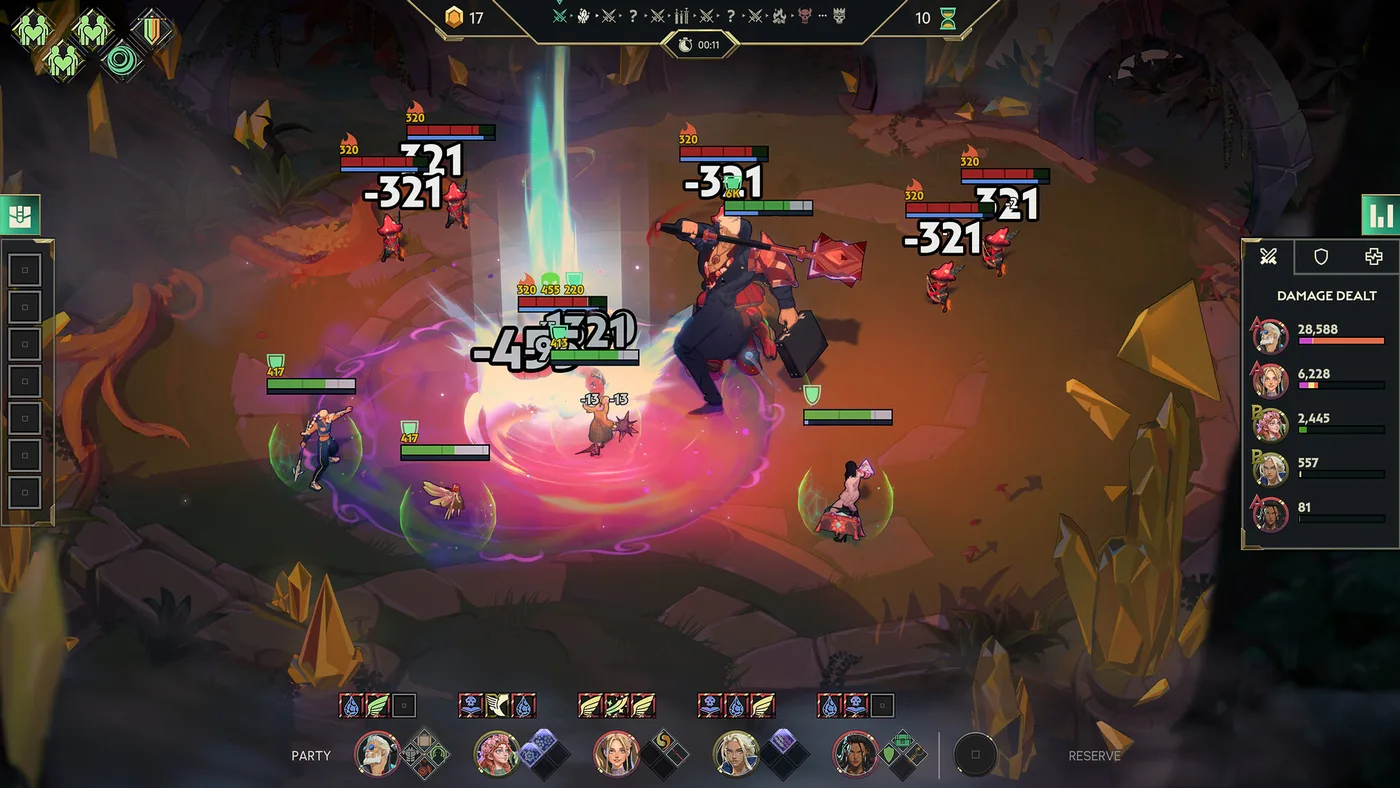
Every successful run unlocks a harder challenge for the next. That structure mirrors Slay the Spire Ascension: you opt into more modifiers only after proving the previous tier. Official copy says you stack fresh modifiers as you climb.
Use lower tiers to finish unlocks and learn boss patterns. Climbing too early with a tiny relic/item pool makes every wipe teach less because shops lack the tools the higher modifiers assume.
Think of the ladder as a permission system for complexity. Early tiers teach shops, auctions, and class pivots with fewer stacked modifiers. Later tiers assume you already know when to bank Shards for an auction and when a Backup unit is worth more than another mediocre frontliner.
When a new modifier appears, re-read it before the first shop. Some modifiers punish mono-class greed, others punish slow economies. The correct response is usually a build identity change, not simply buying more raw damage items on the same failed plan.
Endgame loop
Endless mode after the structured acts
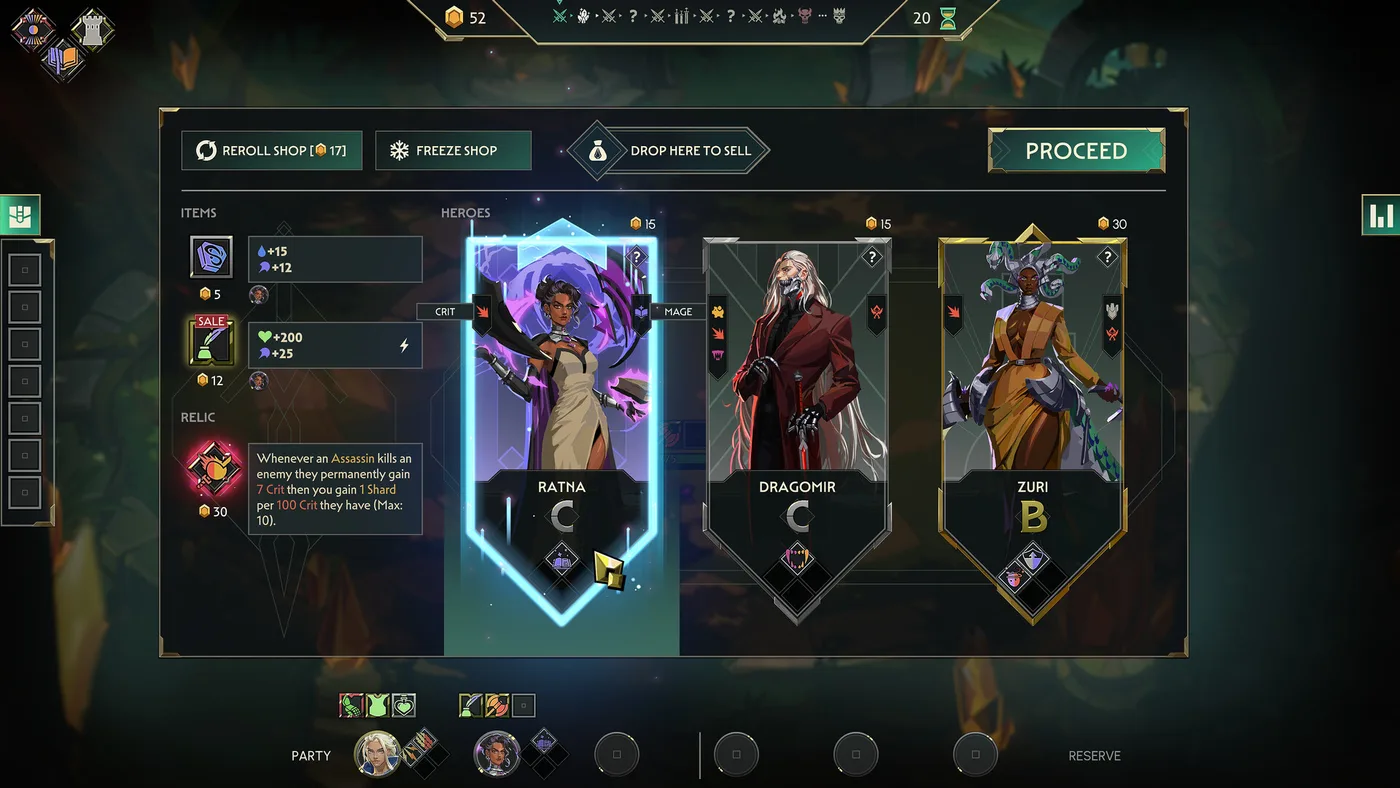
Public demo coverage describes two structured acts in the demo, after which Endless mode continues until death and submits a leaderboard result. That turns a finished story path into a score chase without requiring a separate game mode unlock beyond progressing the demo.
Endless is where greedy relic chains and hyper-scaled multiclass boards get to show off. It is also where poor economy habits finally run out of road.
Endless mode is the score-chase layer after the structured acts. Because death ends the attempt, late-run greed becomes a skill expression: do you take the unstable relic that multiplies damage if it also makes the next elite unforgiving?
Leaderboard chases reward consistency across dozens of nodes. Document your own failure points—auction bankruptcy, ignored Backup slots, or refusing to sell a starter carry—and fix one habit per climb rather than inventing a brand-new team fantasy every wipe.
Practice plan
When to climb versus farm
Farm a tier if you still lack major hero unlocks or you cannot name why the last boss killed you. Climb when you can consistently clear with at least one intentional pivot and you understand auction banking.
Challenge modes at the top of the ladder are described as punishing. Expect to die, restart, and reuse the same systems knowledge rather than inventing a brand new genre plan.
A practical schedule for demo players is one unlock-focused clear, one experiment clear where you force an unfamiliar class pair, then one climb attempt. That rotation expands the account pool while still testing higher modifiers.
If you are dying before the first auction on a new tier, drop back one difficulty and practice economy banking for three runs. Climbing is not a badge check; it is a rule-set that expects mastery of the systems documented on the gameplay and shop pages.