Individual named hero databases will expand as first-party name lists and stable spellings appear. Until then, this hub tracks systems that apply to every hero.
Pool sizes below match official Steam store claims for the demo.
Demo roster
25 heroes, unlocked over runs
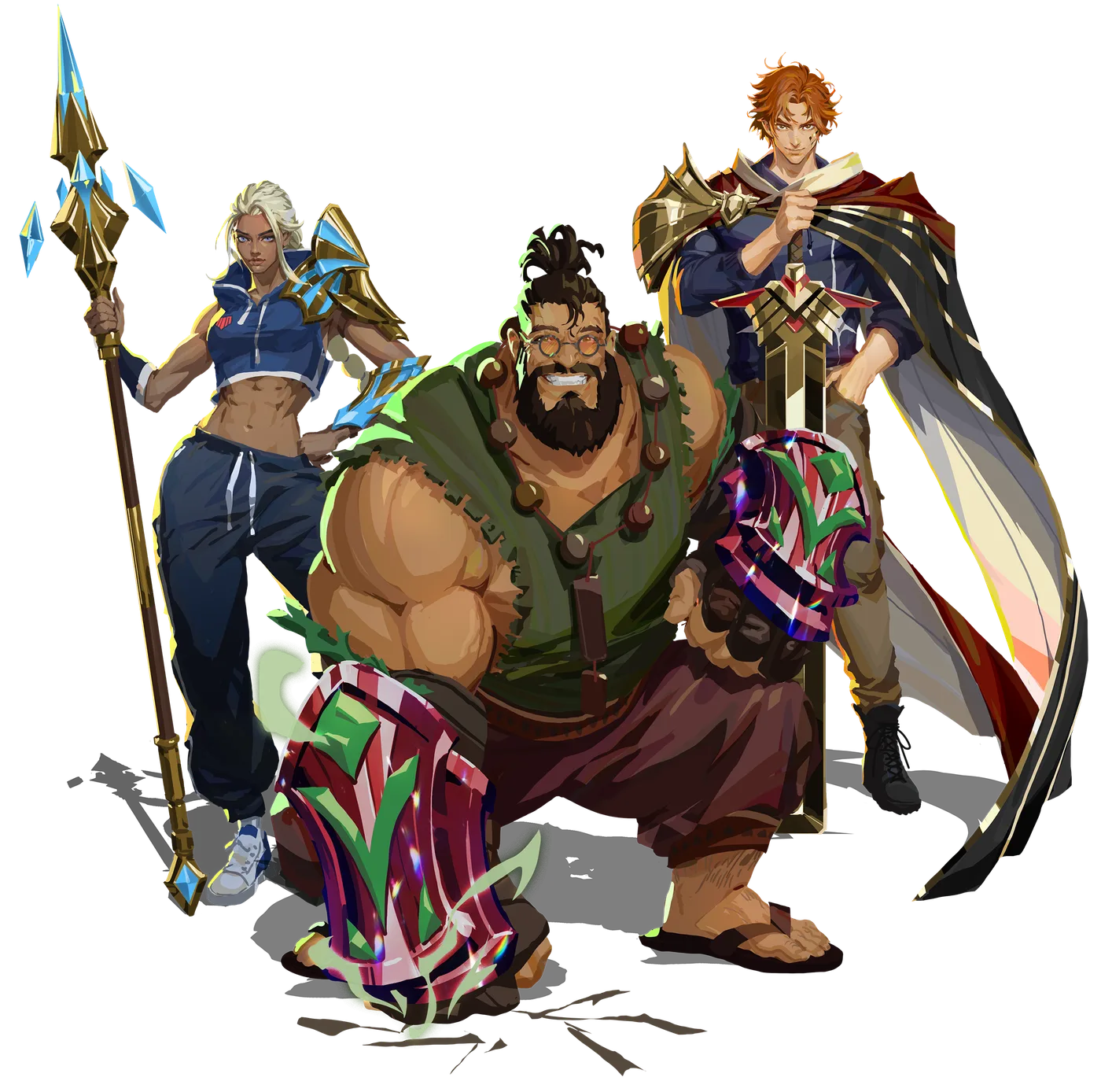
The demo advertises 25 unique heroes. You do not start with the full list; run-by-run unlocks expand the pool of heroes, relics, and items. That means early clears change later starting options and shop variety.
Each hero begins with a class identity and a signature ability. From there, specialization choices determine whether they stay in that lane or pivot into tank, damage, assassin, duelist, support, or hybrid roles described in hands-on coverage of the class system.
Design pitch
Starting class is a suggestion
Official store text is explicit: turn a backline healer into a frontline tank, or a ranged DPS into a melee brawler. Rank-up ability choices are the mechanism. Items then amplify the new job — omnivamp on a fragile carry, attack speed on a converted brawler, or defensive layers on a former support.
Multiclassing is intentional. Coverage of the demo describes class-blending effects such as a Duelist picking up Assassin execute thresholds that apply to every Duelist and Assassin on the team. Modifier pools can stack across classes, so shared tags become team-wide engines rather than cosmetic labels.
Hands-on coverage of the demo describes class-blending payoffs such as execute thresholds that apply across Duelist and Assassin tags. You do not need that exact pair to understand the lesson: shared tags are engines, and engines want fuel from shops and relics.
When a rank choice offers a branch that leaves your old item package stranded, plan the next two shops around re-iteming. A converted melee unit still holding pure backline gear is a common self-inflicted wipe.
Power spikes
C → B → A → S rank decisions
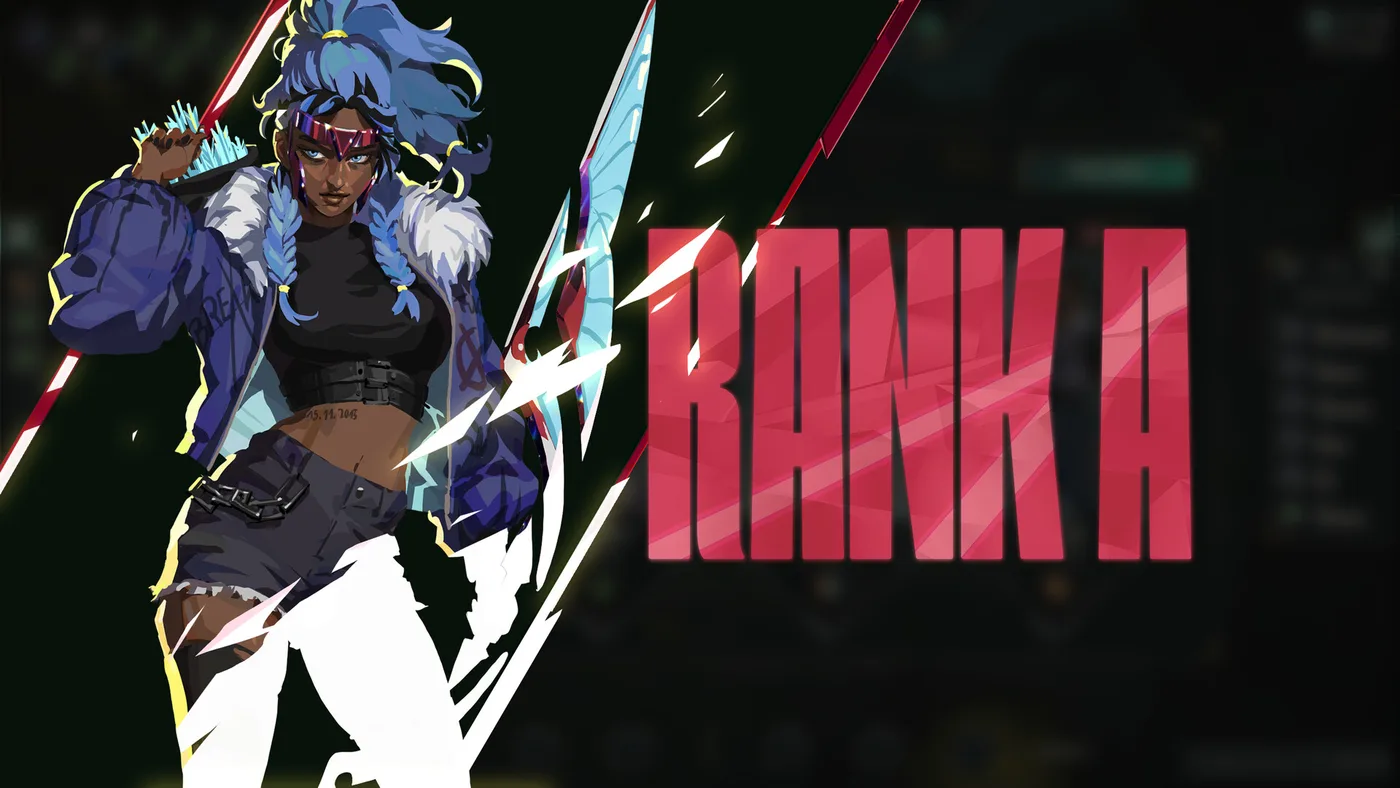
Ranking a hero is not only a stat bump. Each step presents ability choices that change function. An A-rank hero in the shop can be worth a full rebuild if their available branches fix a missing role for the next boss.
Because options are constrained per hero, learning the tree matters more than memorizing a single global tier list. Two S-rank paths on the same portrait can be different units.
Team building
Synergy hooks beyond raw DPS
Official materials mention pairing lovers on the battlefield for rapid scaling bonuses — a relationship-style synergy layered on top of class tags. Relics that reward mono-class or rainbow-class compositions further define whether you stack duplicates or diversify.
When evaluating a new hero, ask three questions: what class tags do they add, which specialization branches open soon, and do they have Backup value if they never fit the field?
Official materials also tease lover-pair scaling on the battlefield. Treat relationship synergies like high-variance relics: powerful when both pieces appear, dead weight if you force them through a shop that never cooperates.
Account unlocks change which synergies you can even attempt. Early demo hours are for learning tags; later hours are for intentionally hunting incomplete engines you already understand.
- Class tags feed shared modifiers and some relics.
- Items decide whether a converted unit actually survives its new job.
- Reserve Backup can justify keeping a low-field unit.
- Relationship or special pair synergies can outweigh raw stats when the text says so.
Data policy
Why this wiki does not invent hero pages yet
Slug-ready hero names need first-party spelling evidence. Until Leyline publishes a stable public roster list with official names, this site keeps heroes as a systems hub instead of fabricating 25 detail pages. That is a coverage gap versus a full data wiki, not a content-padding opportunity.
As official patch notes, in-game codex dumps, or press kit name lists appear, individual pages can be added without rewriting the class systems documented here.