Demo pool sizes from official materials: 300+ relics and 100+ items.
Named examples below appear in official screenshots or public demo coverage and are labeled as examples, not a complete database.
Team layer
Relics rewrite the run
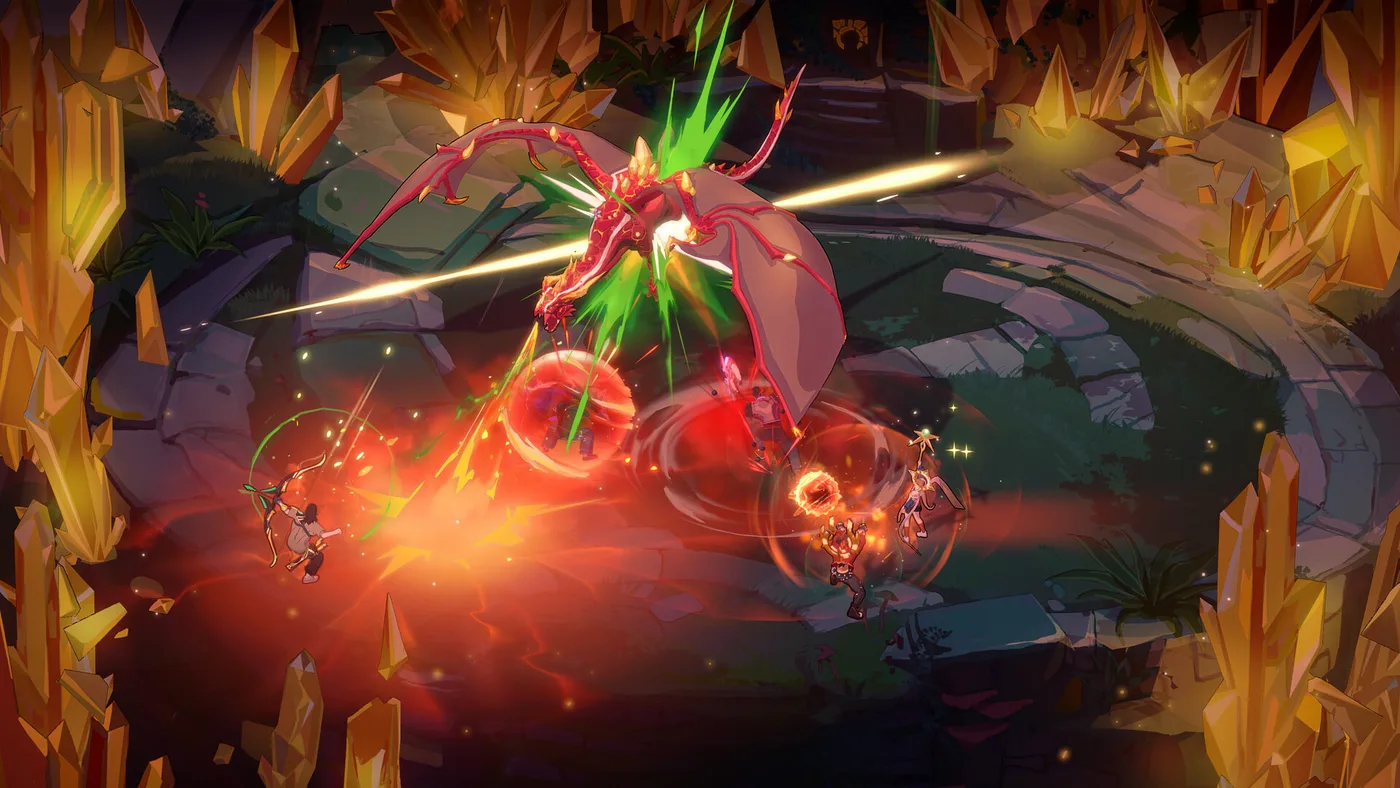
Relics are the Slay the Spire-like layer. They empower the whole team or specific classes, arrive in multiple rarities, and often change what you want to buy next. A relic that shields the team whenever you earn Shards can turn a Shard-generating attacker from temporary filler into a permanent core.
Some relics only appear in high-impact places such as act-end auctions. Official store copy highlights exclusive auction relics, including effects that expand team size. Plan economy around those nodes if your board is starved for slots.
Relic evaluation has three questions: does it change what I buy, does it change how I place, and does it change when I win the fight. Flat stats without a behavioral change are usually weaker than a rule that creates a new loop, even if the number looks smaller.
Auction-only relics that expand team size are structural. They deserve banked Shards because they permanently alter how many engines you can run in parallel for the rest of the attempt.
- Whole-team or class-tagged effects.
- Rarity spread; higher rarities are run-defining.
- Can appear in shops, events, and auctions.
- Often create new win conditions rather than flat stats.
Hero layer
Items transform the holder
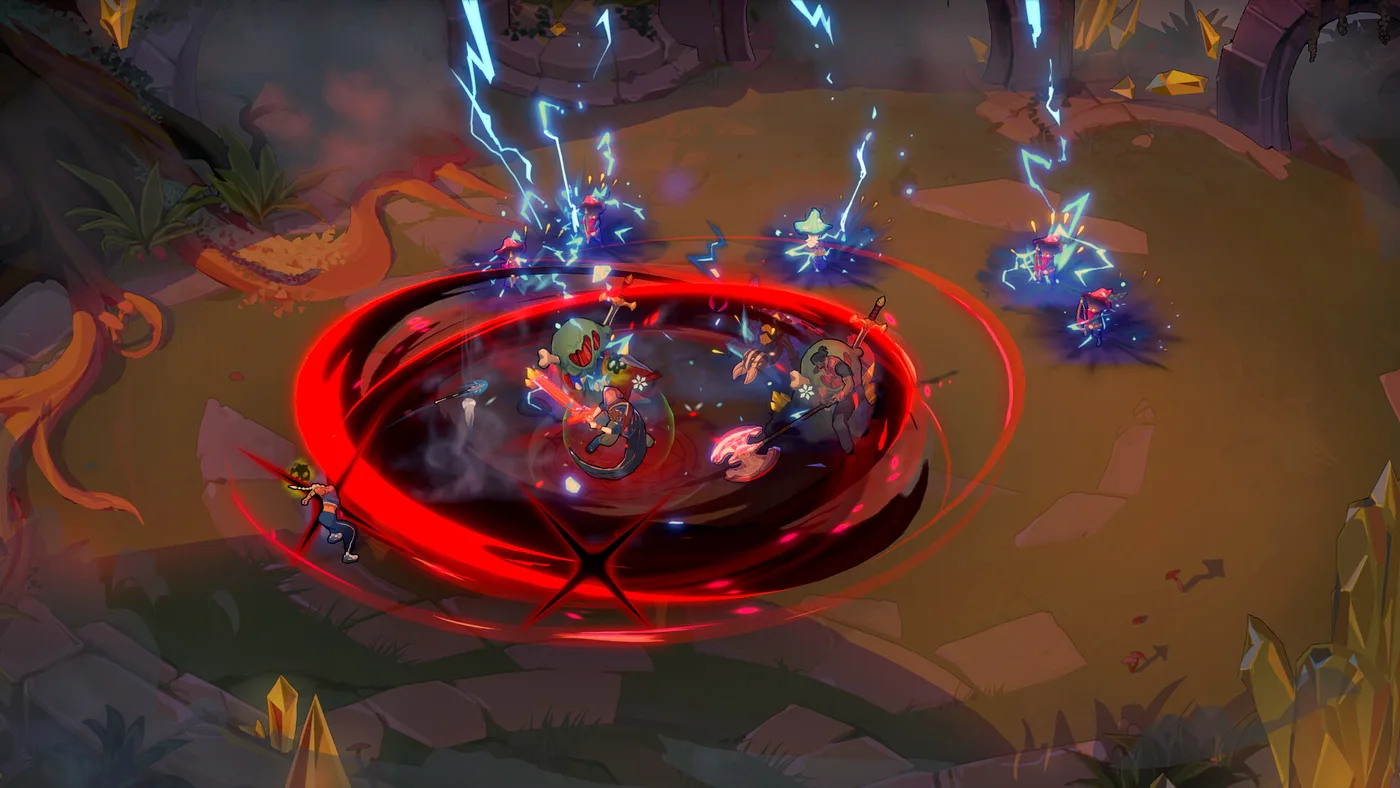
Items sit closer to a Teamfight Tactics-style equipment layer. Equipping a hero can change attack speed, damage, survivability, or add effects such as omnivamp. Public coverage emphasizes that most combat problems have an item answer: if the carry dies, give them sustain; if the fight is slow, give them haste or burst.
Items have rarities and some unlock through quest-style conditions. That means exploration and challenge objectives can expand the item pool beyond pure shop luck.
Item holders should be the units whose death ends the run. If your supposed carry is not receiving the best offensive item because a random frontliner looked shiny in the shop, you are iteming portraits instead of win conditions.
Quest-style item unlocks reward intentional objectives. Track incomplete quests the same way you track missing class tags; both are future power you can plan toward instead of stumbling into.
Named examples
Examples visible in public materials
Official screenshot text shows a trial event that can award Shards, the item Precise Codex, or the relic Frosted Gauntlets for winning a single combat encounter. Treat these as proof of the reward structure, not as a tier list.
When you see mutually exclusive trial rewards, compare them against your failure mode. Fifteen Shards matter if the next shop needs rerolls; a relic matters if you need a permanent rule change; an item matters if one hero is already your clear win condition.
| Example | Type | Where seen | Notes |
|---|---|---|---|
| Precise Codex | Item | Official trial screenshot | Awarded as a single-combat trial option |
| Frosted Gauntlets | Relic | Official trial screenshot | Awarded as a competing trial option |
| Shard payout | Currency | Same trial panel | Example shows 15 Shards for the fight |
Play rules
Practical decision rules
If the whole board is weak, prioritize relics and class-wide effects. If one hero is carrying and dying, prioritize items on that hero. If you are flooded with mediocre units, an economy or team-size relic can beat another small damage item.
Quest-locked items reward intentional play. When a condition is close, divert one fight plan to finish it rather than wandering for twenty nodes with a half-complete unlock.